
How to Keep a Bird Life List (and Not Lose It)
What counts, where to keep it, how to add the birds you saw years ago, and how to make sure your list survives a lost phone.
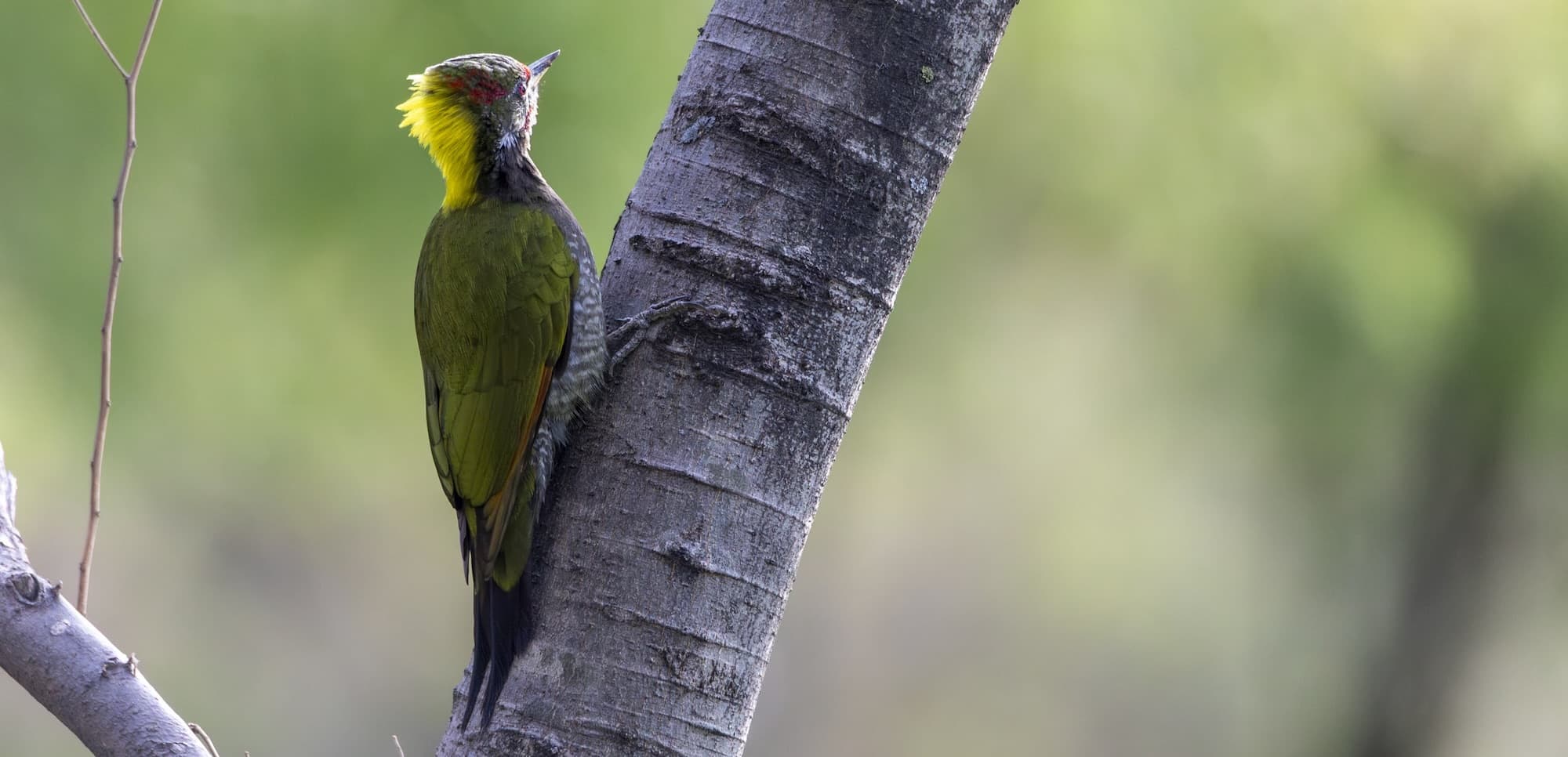
How to Keep a Bird Life List (and Not Lose It)
A life list is the simplest record a birder keeps: every species you have ever seen or heard, with the date you first saw it. It starts the day you identify your first bird with confidence, and for many people it becomes the thread that ties years of walks, trips and mornings at the window together.
This guide covers what to count, where to keep the list, how to add birds from before you started, and how to keep it safe.
What counts as a "lifer"
You decide, but most birders follow the same three tests:
- You identified it yourself. If someone else pointed it out, you should have seen or heard enough to know it too.
- It was wild. Birds in zoos, aviaries and collections don't count.
- It was alive and free to fly. A bird being rescued or released doesn't count until it is on its own.
Clubs and record committees publish detailed rules, such as the American Birding Association's recording rules in North America. If you ever want to compare totals with other birders, follow the ones they use. If the list is just for you, keep it honest and keep it consistent.
Heard-only birds are a common question. Many birders count a bird they identified for certain by its call; some mark those entries so they know which ones they have yet to see.
One list per place, one life list over all
The life list is the total. Underneath it, most birders also keep:
- a year list, which starts again every January;
- a list for home, your garden or local patch;
- trip lists, one for each place you visit.
Each sighting belongs to a checklist (a date, a place, the birds you saw), and every other list is worked out from those checklists. That is how eBird works, and it is also how the BirdTab checklist works: tick birds on a checklist for a walk, and your life list and yearly totals update themselves.
Adding the birds you saw before you started
Almost everyone starts a life list with a backlog. Two ways to catch up:
- One "before" checklist. Make a list named something like "Before 2026", add every bird you are sure of by name (or paste a list of names), and tick them. You lose the dates, but your total is right.
- One checklist per trip you remember. If you know roughly when and where, give each its own list with that date. Your life list will then show when each bird was first seen.
If you aren't sure of an old sighting, leave it off. A life list is only worth keeping if you trust every entry.
Keeping it safe
A list that lives only on one phone can disappear with that phone. Whatever tool you use:
- Back it up. In the BirdTab checklist, "Back up all lists" saves one file with every list; "Import backup" restores it on another device.
- Keep a copy in eBird if you use it. The BirdTab checklist exports each list as a CSV in eBird's import format, so your sightings also join eBird's records, where they help research.
- Print it now and then. Paper doesn't need a battery.
Make it a habit
The life list grows fastest when you look at the birds near you. Birds near me shows what has been reported in your area recently, the checklist for your state or country gives you everything recorded there, and the bird quiz helps you recognise them before you meet them.