
Bird migration map
See where migrating birds have been reported in the last weeks across the United States, Canada and Mexico, from eBird. Pick a bird, slide back through the season, and check which migrants have reached your area.
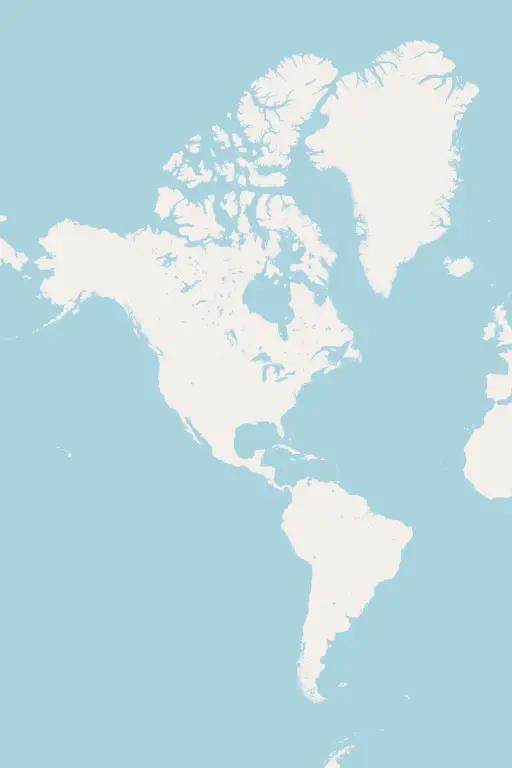 © OpenStreetMap contributors
This week
Reports to eBird in the seven days to 13 Oct, compared with the week before.
- Ruby-throated Hummingbird: 489 places (63 the week before); furthest north at Powderhorn Park (44.9°N) on 9 Oct.
- Rufous Hummingbird: 41 places (60 the week before); furthest north at Hoyt Arboretum (45.5°N) on 10 Oct.
- Black-chinned Hummingbird: 108 places (177 the week before); furthest north at Bear Creek Park (Denver) (39.6°N) on 7 Oct.
- Calliope Hummingbird: 2 places (10 the week before); furthest north at Organ Mountains-Desert Peaks NM, Dripping Springs NA (32.3°N) on 13 Oct.
- Allen's Hummingbird: 505 places (198 the week before); furthest north at Antelope Valley, Ave L-8 and 70th west (34.6°N) on 9 Oct.
- Broad-tailed Hummingbird: 50 places (90 the week before); furthest north at Tucker Gulch (39.8°N) on 10 Oct.
Show all 34 birds
- Yellow-rumped Warbler: 2,414 places (42 the week before); furthest north at Smithers, Pacific Wetland Trail (54.8°N) on 12 Oct.
- Northern Yellow Warbler: 651 places (1,016 the week before); furthest north at Sitka (general area) (57.0°N) on 8 Oct.
- Blackpoll Warbler: 1,498 places (170 the week before); furthest north at Parc des Buck (47.4°N) on 12 Oct.
- Magnolia Warbler: 1,416 places (184 the week before); furthest north at Géoparc (48.5°N) on 9 Oct.
- American Redstart: 1,241 places (118 the week before); furthest north at Parc des pionniers (cté Manicouagan) (49.2°N) on 7 Oct.
- Common Yellowthroat: 1,771 places (412 the week before); furthest north at Valemount, Cranberry Marsh/Starratt Wildlife Management Area (52.8°N) on 10 Oct.
- Palm Warbler: 1,585 places (292 the week before); furthest north at Good Spirit Lake PP (51.5°N) on 11 Oct.
- Black-and-white Warbler: 1,435 places (146 the week before); furthest north at PN Forillon, Sentier du Mont St-Alban (48.8°N) on 7 Oct.
- Broad-winged Hawk: 321 places (507 the week before); furthest north at Saskatoon, Hyde Park (includes Trounce Pond) (52.1°N) on 7 Oct.
- Swainson's Hawk: 172 places (249 the week before); furthest north at Last Mountain Lake NWA, Regional Park (51.4°N) on 12 Oct.
- Sharp-shinned Hawk: 1,585 places (294 the week before); furthest north at Kenai Flats, Sea Catch Dr. and Cannery Rd. (60.5°N) on 11 Oct.
- Cooper's Hawk: 1,654 places (327 the week before); furthest north at Lac Ste. Anne (53.7°N) on 7 Oct.
- Osprey: 1,569 places (177 the week before); furthest north at Chilkoot River Mouth (59.3°N) on 11 Oct.
- American Kestrel: 1,499 places (233 the week before); furthest north at Marcelin (General area) (52.9°N) on 13 Oct.
- Merlin: 1,866 places (438 the week before); furthest north at Westchester Lagoon (61.2°N) on 8 Oct.
- Snow Goose: 545 places (338 the week before); furthest north at Seward Airport Ponds and Mudflats (60.1°N) on 12 Oct.
- Canada Goose: 2,424 places; furthest north at Goose Lake (61.2°N) on 12 Oct.
- Ross's Goose: 40 places (35 the week before); furthest north at Tofield, Rowan's Rte. Secondary 626 (53.4°N) on 11 Oct.
- Greater White-fronted Goose: 471 places (455 the week before); furthest north at Delta Agricultural Project, Barley Way (64.0°N) on 8 Oct.
- Cackling Goose: 928 places (492 the week before); furthest north at Inner Springer Loop, Fairgrounds (61.6°N) on 9 Oct.
- Brant: 155 places (41 the week before); furthest north at St. Paul Island (57.2°N) on 12 Oct.
- Barn Swallow: 1,538 places (189 the week before); furthest north at Seven Sisters Falls - Natalie Lake (50.1°N) on 12 Oct.
- Purple Martin: 68 places (83 the week before); furthest north at Cowichan Bay (48.8°N) on 10 Oct.
- Baltimore Oriole: 205 places (260 the week before); furthest north at Géoparc (48.5°N) on 9 Oct.
- Scarlet Tanager: 430 places (650 the week before); furthest north at Virginia River Walk, Torbay Rd to Guzzwell Dr (47.6°N) on 9 Oct.
- Indigo Bunting: 1,325 places (46 the week before); furthest north at Forteau, Brook marsh (51.5°N) on 12 Oct.
- Rose-breasted Grosbeak: 790 places (113 the week before); furthest north at St. Demetrius Ukrainian Catholic Church (47.1°N) on 8 Oct.
- Bobolink: 252 places (296 the week before); furthest north at French Lake (45.2°N) on 7 Oct.
Migration maps by group
Live migration radar
Most songbirds migrate at night, and the best way to see that is weather radar. BirdCast, from the Cornell Lab of Ornithology and partners, publishes nightly migration forecasts and live radar maps for the United States. This page shows something different: where people have reported each bird on the ground.
The major flyways, month by month
Most migratory birds follow a handful of broad routes between their breeding and wintering grounds. Pick a month to see which flyways are busy and which way birds are heading, then pick a flyway for the birds to look for and the best places to watch them.
October · tap a route for details
October on the flyways
Late autumn: geese, ducks, cranes and sparrows move south, and wintering birds arrive in India and the southern United States.
The Americas
Europe and Africa
Asia and Australia
When each flyway is busiest: the whole year
| Flyway | Jan | Feb | Mar | Apr | May | Jun | Jul | Aug | Sep | Oct | Nov | Dec |
|---|---|---|---|---|---|---|---|---|---|---|---|---|
| Pacific | On wintering grounds | ↑Early movers, heading north | ↑Busy, heading north | ↑Peak, heading north | ↑Peak, heading north | Breeding, little movement | ↓Early movers, heading south | ↓Busy, heading south | ↓Peak, heading south | ↓Peak, heading south | ↓Busy, heading south | On wintering grounds |
| Central | On wintering grounds | ↑Early movers, heading north | ↑Peak, heading north | ↑Peak, heading north | ↑Busy, heading north | Breeding, little movement | ↓Early movers, heading south | ↓Busy, heading south | ↓Peak, heading south | ↓Peak, heading south | ↓Busy, heading south | On wintering grounds |
| Mississippi | On wintering grounds | ↑Early movers, heading north | ↑Busy, heading north | ↑Peak, heading north | ↑Peak, heading north | Breeding, little movement | ↓Early movers, heading south | ↓Busy, heading south | ↓Peak, heading south | ↓Peak, heading south | ↓Busy, heading south | On wintering grounds |
| Atlantic | On wintering grounds | ↑Early movers, heading north | ↑Busy, heading north | ↑Peak, heading north | ↑Peak, heading north | Breeding, little movement | ↓Early movers, heading south | ↓Busy, heading south | ↓Peak, heading south | ↓Peak, heading south | ↓Busy, heading south | On wintering grounds |
| East Atlantic | On wintering grounds | ↑Early movers, heading north | ↑Busy, heading north | ↑Peak, heading north | ↑Peak, heading north | Breeding, little movement | ↓Early movers, heading south | ↓Busy, heading south | ↓Peak, heading south | ↓Peak, heading south | ↓Early movers, heading south | On wintering grounds |
| Black Sea–Mediterranean | On wintering grounds | ↑Early movers, heading north | ↑Peak, heading north | ↑Peak, heading north | ↑Busy, heading north | Breeding, little movement | ↓Early movers, heading south | ↓Peak, heading south | ↓Peak, heading south | ↓Busy, heading south | On wintering grounds | On wintering grounds |
| Central Asian | On wintering grounds | ↑Early movers, heading north | ↑Busy, heading north | ↑Peak, heading north | ↑Busy, heading north | Breeding, little movement | Breeding, little movement | ↓Early movers, heading south | ↓Busy, heading south | ↓Peak, heading south | ↓Busy, heading south | On wintering grounds |
| East Asian–Australasian | On wintering grounds | ↑Early movers, heading north | ↑Busy, heading north | ↑Peak, heading north | ↑Peak, heading north | Breeding, little movement | ↓Early movers, heading south | ↓Busy, heading south | ↓Peak, heading south | ↓Busy, heading south | ↓Early movers, heading south | On wintering grounds |
Darker means busier; arrows show the main direction. General patterns: timing shifts with latitude, species and weather from year to year.
Pacific Americas Flyway
From Alaska and western Canada to California, Mexico and western South America. Follows the Pacific coast and the valleys inland of it. Millions of shorebirds stop on its estuaries in spring, and California’s Central Valley holds huge numbers of wintering ducks and geese.
Busiest: April, May, September, October. Best places: Copper River Delta (Apr–May), Grays Harbor (Apr–May), Klamath Basin (Oct–Feb).
Central Americas Flyway
From the Canadian Arctic and prairies to Texas, Mexico and South America. Runs down the Great Plains east of the Rockies. Best known for the Sandhill Cranes that gather on Nebraska’s Platte River each March, and for prairie wetlands full of ducks and shorebirds.
Busiest: March, April, September, October. Best places: Platte River (Feb–Apr), Cheyenne Bottoms (Apr–May, Aug–Sep), Bosque del Apache (Nov–Feb).
Mississippi Americas Flyway
From central Canada and the Great Lakes to the Gulf of Mexico, Central and South America. Follows the Mississippi River and the Great Lakes. Songbirds cross the Gulf of Mexico in a single night, and the river valley carries a large share of the continent’s ducks and geese.
Busiest: April, May, September, October. Best places: High Island (Apr), Magee Marsh (May), Hawk Ridge (Sep–Oct).
Atlantic Americas Flyway
From the eastern Arctic and Canada to the Caribbean and South America. Follows the Atlantic coast and the Appalachians. Delaware Bay is a vital fuelling stop for Red Knots in May, and Cape May and Hawk Mountain are famous for autumn raptors.
Busiest: April, May, September, October. Best places: Delaware Bay (May), Cape May (Sep–Oct), Hawk Mountain (Sep–Nov).
East Atlantic Flyway
From Greenland, Iceland, Scandinavia and Arctic Russia to western Europe and West and southern Africa. Links Arctic breeding grounds with Europe’s coasts and West Africa. The Wadden Sea is its great refuelling stop for waders in spring and autumn.
Busiest: April, May, September, October. Best places: Wadden Sea (Apr–May, Aug–Oct), Falsterbo (Aug–Oct), Banc d’Arguin (Oct–Mar).
Black Sea–Mediterranean Flyway
From eastern Europe and western Russia to East and southern Africa. Soaring birds such as storks, eagles and buzzards avoid the open sea, so they funnel over land bridges: the Bosphorus, the Black Sea coast at Batumi and Israel’s Rift Valley.
Busiest: March, April, August, September. Best places: Eilat (Feb–Apr), Bosphorus (Mar–Apr, Aug–Sep), Batumi (Aug–Oct).
Central Asian Flyway
From Siberia and Central Asia to India, Sri Lanka and the Maldives. Crosses the Himalaya: Bar-headed Geese fly over the high passes. Its birds spend the winter on India’s wetlands, from Keoladeo to Chilika Lake.
Busiest: April, October. Best places: Keoladeo National Park (Oct–Mar), Khichan (Sep–Mar), Chilika Lake (Nov–Feb).
East Asian–Australasian Flyway
From Arctic Russia and Alaska to Southeast Asia, Australia and New Zealand. The busiest and most threatened flyway for shorebirds. Millions of them refuel on the Yellow Sea’s mudflats, and Bar-tailed Godwits fly from Alaska to New Zealand without stopping.
Busiest: April, May, September. Best places: Yellow Sea coast (Apr–May, Aug–Sep), Mai Po Marshes (Nov–Apr), Roebuck Bay (Sep–Apr).