
Hummingbird migration map
Where hummingbirds have been reported in the United States, Canada and Mexico, week by week, from eBird.
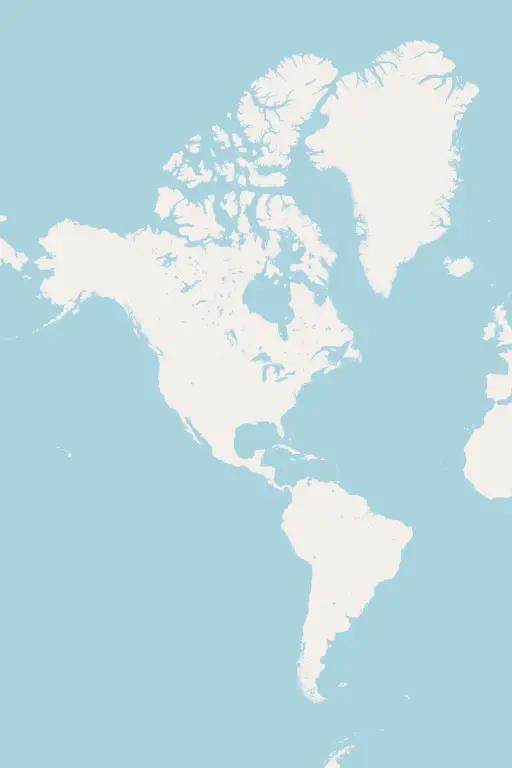 © OpenStreetMap contributors
This week
Reports to eBird in the seven days to 9 Nov, compared with the week before.
- Ruby-throated Hummingbird: 126 places (107 the week before); furthest north at Myrtle Beach SP (33.6°N) on 4 Nov.
- Rufous Hummingbird: 26 places (16 the week before); furthest north at stakeout Rufous Hummingbird, Twinflower Crescent (2026) (43.5°N) on 7 Nov.
- Black-chinned Hummingbird: 11 places (9 the week before); furthest north at Portal, Jasper/Moisan feeders (opened 2015) (31.9°N) on 7 Nov.
- Calliope Hummingbird: 3 places (4 the week before); furthest north at stakeout Calliope Hummingbird, Granville (2026) (40.1°N) on 8 Nov.
- Allen's Hummingbird: 409 places (266 the week before); furthest north at Prime Desert Woodland Preserve (34.7°N) on 7 Nov.
- Broad-tailed Hummingbird: 17 places (10 the week before); furthest north at East Whitetail Canyon (32.0°N) on 3 Nov.
Migration maps by group
Live migration radar
Most songbirds migrate at night, and the best way to see that is weather radar. BirdCast, from the Cornell Lab of Ornithology and partners, publishes nightly migration forecasts and live radar maps for the United States. This page shows something different: where people have reported each bird on the ground.